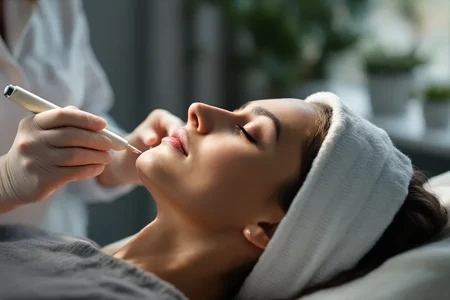
If you’ve been searching for microneedling Brentford clinics, you’ll have noticed that most treatment pages promise smoother, brighter skin, but very few explain what the appointment involves. This guide does. It covers what microneedling can genuinely help with, how many sessions most people need, what your face looks like for the first few days, who should not have it, and how booking works at Sarah M Aesthetic Clinic on the Great West Road, a short journey from Ealing, Kew and Greenford.
Quick answer: Microneedling uses fine, sterile needles to create controlled micro-injuries that prompt your skin to produce new collagen. Most people need a course of three to six sessions, four to six weeks apart, with one to three days of redness. A consultation should come first to rule out anything that makes it unsuitable.
Microneedling (also called collagen induction therapy) suits fine lines, uneven texture, enlarged pores and indented acne scarring. It is not a fix for sagging skin or deep folds.
A typical course is three to six sessions spaced four to six weeks apart, and deeper scarring often needs more.
Expect sunburn-like redness for 24–72 hours, then light flaking. Daily sun protection matters for weeks afterwards.
Active acne, cold sores, pregnancy, recent isotretinoin and some medications are reasons to wait or choose a different treatment.
At Sarah M Aesthetic Clinic, booking begins with an initial consultation to assess your suitability and discuss your goals.
Microneedling is simple in principle. A practitioner glides a pen-style device across your skin, and a cartridge of very fine needles creates thousands of tiny, controlled channels. Depth is set for each area: shallow settings of around 0.25–0.5mm for delicate skin near the eyes, and deeper settings, sometimes 1.5–2.5mm, for scarring on the cheeks. Your skin reads those channels as minor injuries and starts its normal repair process, laying down fresh collagen and elastin over the following weeks.
A session usually starts with a thorough cleanse and a topical numbing cream left on for 20–40 minutes. The needling itself often takes around 20–30 minutes for a full face, followed by a soothing serum or mask. Allow roughly an hour to an hour and a half in total. Pinpoint bleeding during treatment is normal on deeper passes and settles quickly.
The most reliable results tend to come on concerns that sit in the upper layers of the skin. Fine lines around the eyes and mouth, rough or uneven texture, a tired, flat complexion and enlarged pores across the nose and cheeks all tend to respond well, because they improve when the skin’s collagen network is thicker and more organised. Many people notice their make-up sits better and their skin reflects light more evenly once a course is complete.
What microneedling won’t do is lift. If your main concern is jowling, a softening jawline or deep nasolabial folds, needling alone will disappoint you. That is the point at which a good consultation should steer you towards other options, such as HIFU or radiofrequency skin tightening, both of which Sarah M Aesthetic Clinic offers among its wider face and body treatments.
Microneedling is one of the most widely used treatments for atrophic, or indented, acne scars. Rolling scars (soft, wave-like dips) and shallow boxcar scars (flat-bottomed with defined edges) usually respond best. Narrow, deep ice-pick scars are more stubborn and may only soften a little. Raised scars and keloids are a different problem altogether and are generally a reason not to needle.
The other key point is timing. Scarring should be treated once breakouts are under control, not while spots are still active, because needling through inflamed skin can spread bacteria and worsen things. If you’re still breaking out, the NHS guidance on acne is a sensible starting point, and your GP can discuss prescription options before you think about scar treatment.
One session can give your skin a fresher look, but lasting change comes from a course. Collagen builds gradually, and each treatment adds to the work of the last. Most people comparing microneedling Brentford providers will be quoted a course of three or more sessions, with spacing that gives the skin time to finish one round of repair before the next begins.
The table below shows typical figures used across UK clinics. They are a guide rather than a promise: your own plan depends on your skin, the depth of the concern and how you heal, and it should be set at consultation.
Patience pays off with this treatment. You’ll often see a glow within a week or two as the initial swelling settles and the surface renews, but the real structural change comes from collagen remodelling, which takes around three months and can keep improving for up to six. That’s why it’s worth taking photos in the same light before each session: day-to-day changes are hard to spot in the mirror.
On cost, typical market prices for a single full-face microneedling session in London fall roughly between £150 and £350, with courses of three often priced at a reduction. Add-ons such as specialist serums or combining with other treatments will change that figure. Sarah M Aesthetic Clinic lists its current prices on its website, so check there rather than relying on general figures. Once a course is finished, many people keep results ticking over with one or two maintenance sessions a year.
Microneedling is often described as having little downtime, and for most people that’s fair, but “little” isn’t “none”. Knowing what each day looks like helps you plan around work, a commute or a weekend away, and it stops you worrying about perfectly normal reactions.
Straight after treatment, your skin will look and feel like moderate sunburn: pink to red, warm and slightly tight. This usually peaks that evening. Over the next 24–72 hours the redness fades to a light pink, though some people get mild puffiness, particularly around the eyes and on deeper treatments. Many go back to desk-based work the next day; if you deal with the public or have video calls, you may prefer to book on a Thursday or Friday.
From around day three to day five, your skin may feel dry and look a little rough or flaky as the surface turns over. By the end of the first week most people look like themselves again. Because reactions vary, it’s sensible to leave at least a week, ideally two, between a session and anything important such as a wedding, holiday or photo shoot.
Those micro-channels stay open for a short while, so aftercare is about keeping your skin clean, calm and protected. The usual advice is:
No make-up for at least 24 hours, then clean brushes and fresh products.
Avoid the gym, hot yoga, saunas, steam rooms and swimming pools for 48–72 hours.
Pause retinol, AHAs, BHAs and strong vitamin C serums for around five to seven days.
Use a gentle cleanser and a simple, fragrance-free moisturiser or hyaluronic serum.
Apply a broad-spectrum SPF 30–50 every day for at least four weeks, even when it’s overcast.
Don’t pick or scrub any flaking skin, and sleep on a clean pillowcase for the first couple of nights.
Sun protection is the one people underestimate. Freshly treated skin is more prone to pigmentation, and a sunny afternoon walking by the river at Kew or in Gunnersbury Park is enough to cause it. Avoid sunbeds entirely. Your practitioner should give you written aftercare instructions to take home; if they don’t, ask for them.
A good clinic will turn some people away, or ask them to wait. That isn’t box-ticking. Microneedling deliberately breaks the skin barrier, so anything that raises the risk of infection, poor healing or scarring needs to be identified before treatment, not after.
The most common reasons to delay or avoid microneedling include active acne or any skin infection in the area, and a current cold sore. If you get cold sores regularly, mention it, because needling around the mouth can trigger an outbreak, and antiviral treatment beforehand is sometimes advised. The NHS page on cold sores explains the triggers. Flare-ups of eczema, psoriasis or rosacea in the treatment area are also a reason to wait.
Other important factors include a history of keloid or raised scarring, use of isotretinoin (often known by its former brand name, Roaccutane) within roughly the past six months, blood-thinning medication, poorly controlled diabetes, current cancer treatment, and pregnancy or breastfeeding. Recent injectables in the same area are also worth flagging so treatments can be spaced sensibly. Be completely open about medication and supplements on your consultation form, including over-the-counter products.
Microneedling is often considered for deeper skin tones because, unlike some lasers, it doesn’t rely on heat. That said, darker skin can be more prone to post-inflammatory hyperpigmentation, so a careful practitioner may use more conservative depths, prepare the skin beforehand or suggest a test area. The same caution applies if you’ve recently been sunburnt or have a fresh tan.
Finally, a word on home dermarollers. They are not a cheaper version of the same treatment. Rollers enter the skin at an angle and can tear rather than puncture it, and keeping them sterile at home is close to impossible. A clinic treatment uses single-use, sterile needle cartridges, controlled depth and clinical hygiene. If you’ve been rolling at home and your skin is irritated, stop and let it settle before booking anything.
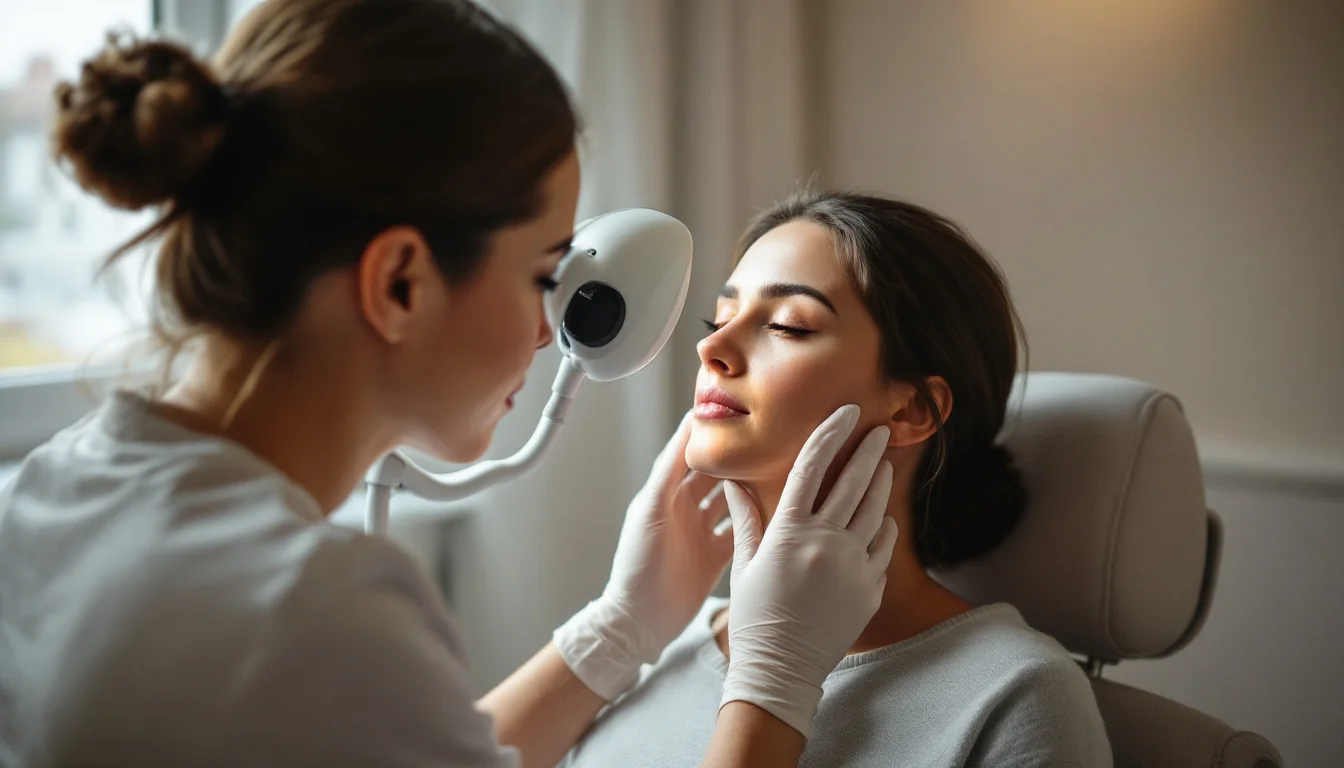
Once you know what to expect, the remaining question is where to go. For anyone weighing up microneedling Brentford options, the booking process tells you a lot about a clinic: whether it assesses you properly, explains risks plainly and is willing to say “not yet” when that’s the right answer.
You can book either by calling the clinic directly or by using its online message booking system. The team at Sarah M Aesthetic Clinic will discuss your skin concerns, check suitability and put together a tailored treatment plan during your consultation. Details about any booking fees or charges can be confirmed when you contact the clinic.
The clinic is appointment-only and based at 981 Great West Road, London TW8 9DN, on the border of Brentford. That makes it straightforward to reach from Ealing, Greenford, Chiswick, Isleworth and the Kew Gardens side of the river. Before your call, it helps to have a list of current medications, any skincare actives you use, your history of breakouts or cold sores, and any events coming up in the next couple of months, so your sessions can be timed around them.
In England there is still no single national licence covering most non-surgical cosmetic treatments, although the Health and Care Act 2022 gave the government powers to introduce a licensing scheme. In the meantime, quality varies widely. Because microneedling breaks the skin, the things that matter most are clinical hygiene, sterile single-use equipment, correct depth for each area of the face and the ability to recognise when someone shouldn’t be treated.
Sarah M Aesthetic Clinic is an HBA-approved clinic staffed by medically trained professionals, which is exactly the kind of grounding you want behind a treatment that involves needles and open skin. Being appointment-only also means sessions aren’t rushed and you aren’t sharing a waiting room. And because the clinic offers a wide range of skin treatments, including chemical peels, skin boosters, PRP treatment, pigmentation removal and Hydra Facial, your consultation can look at whether microneedling alone is the best fit or whether another approach would suit your skin better.
With numbing cream applied beforehand, most people describe it as a scratchy, vibrating sensation rather than pain. Bony areas such as the forehead, upper lip and along the jaw tend to feel more intense. Deeper settings for acne scarring are more noticeable, and your practitioner can adjust as they go if you need a pause.
Usually, yes, if your job is office-based and you’re comfortable being a bit pink. You won’t be able to wear make-up for the first 24 hours, so if you face clients or are on camera a lot, booking before a weekend gives your skin time to settle.
It is often a good option because it doesn’t use heat, but darker skin carries a higher risk of post-inflammatory hyperpigmentation. A careful assessment, conservative needle depths and strict sun protection afterwards all reduce that risk. Raise it during your consultation so your plan reflects your skin type.
They do different jobs. Peels work mainly on the surface, helping with dullness, mild pigmentation and congestion, while microneedling works deeper to stimulate collagen, which makes it better suited to indented scarring and texture. Some people benefit from both at different times. Sarah M Aesthetic Clinic offers both, so you can discuss which suits your concern.
The new collagen your skin produces is your own, so improvements in scarring and texture are long-lasting. Natural ageing, sun exposure and lifestyle continue as normal, though, which is why many people book one or two maintenance sessions a year once their initial course is complete.
Microneedling rewards realistic expectations, a properly planned course and good aftercare. If you’re in Brentford, Ealing, Greenford or across the river in Kew and would like to know whether it’s right for your skin, you can contact the team at Sarah M Aesthetic Clinic for an initial consultation. You’ll come away with an honest view of what microneedling can do for you, how many sessions to expect and when to start.
