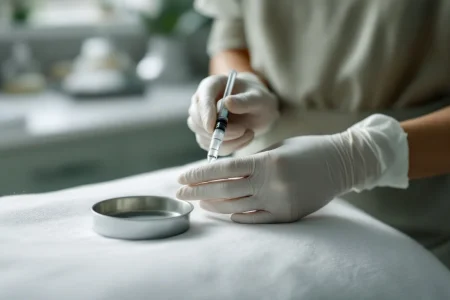
If you live in Brentford and have been thinking about filler, your biggest worry probably isn’t the needle. It’s the result. Nobody wants the overfilled lips or puffy, ‘pillow face’ look that fills social media feeds. The reassuring truth is that dermal fillers Brentford residents ask about can look completely natural when they are planned properly, placed with care and used in modest amounts. This guide covers how that works, from the first consultation to aftercare, and why your choice of clinic matters so much.
Quick answer: Natural-looking dermal fillers come down to three things: a thorough consultation, a medically trained practitioner who uses conservative amounts of hyaluronic acid filler, and proper aftercare. Most results last six to 18 months depending on the area. Sarah M Aesthetic Clinic on the Great West Road in Brentford is a short trip from Ealing.
An ‘overdone’ look usually comes from too much product, the wrong placement or treating every area at once. It isn’t the filler itself.
The most common areas are the lips, cheeks, jawline and under-eyes. Each needs a different product and technique.
A proper consultation should cover your medical history, your goals, the product, the volume, the cost and the risks before anything is injected.
Hyaluronic acid fillers typically last 6 to 18 months and can be dissolved if needed, which is one reason medical training matters.
Sarah M Aesthetic Clinic is an HBA-approved, appointment-only clinic on the Great West Road in Brentford, easy to reach from Ealing, Kew and Greenford.
When people picture bad filler, they are usually picturing one of a few problems. Lips that jut forward rather than looking fuller. Cheeks that sit too high and too round, giving a slightly swollen look. A jawline so sharp it no longer suits the rest of the face. These results get noticed because they look wrong. Meanwhile, thousands of people walk around with well-placed filler that nobody ever spots, because it simply looks like them on a good day.
Most unnatural results come down to volume and placement. Hyaluronic acid filler is a gel that attracts water, so it softens and settles over the first couple of weeks. A practitioner who chases an instant dramatic change on the day often ends up with more swelling and more product than the face needs. Placement matters just as much. Filler set too superficially in the lips, or laid along the cheek without regard to the underlying bone structure, can shift the proportions of the whole face.
Another common cause is gradual build-up. Someone has a top-up every few months before the previous treatment has worn off, and over a year or two the face slowly drifts away from its natural shape. A good practitioner will tell you when you don’t need more. That honesty is one of the clearest signs you’re in safe hands.
Natural results don’t mean you won’t see a difference. They mean the difference looks like it belongs. That often comes from treating the cause rather than the symptom. A tired look under the eyes, for example, can sometimes be improved by restoring a little support in the mid-cheek rather than filling the hollow directly. Lips may look better balanced with a touch of definition at the border than with volume in the body of the lip. A staged approach also helps: starting with a modest amount, reviewing once the filler has settled and adding only if needed. For a first lip treatment, 0.5ml to 1ml is often plenty.
Filler is used in several areas of the face. Each has its own anatomy, its own risks and its own ideal product. Different hyaluronic acid gels vary in thickness and firmness. A soft, flexible gel suits the moving lips. A firmer gel holds structure along the jaw or cheekbone. Which areas are suitable for you, and with which product, should always be decided face to face.
Lip filler is the treatment most people think of first, and the one most often overdone. Done well, it can restore volume lost with age, improve symmetry, define the border or simply add a little softness. If you mainly want better hydration and skin quality rather than extra size, a filler may not be the right tool at all. It’s worth asking at your consultation whether the clinic’s skin booster treatment would suit your goals better.
Cheek filler works on structure. As we age, the fat pads in the mid-face lose volume and descend. This can flatten the cheeks and deepen the lines running from nose to mouth. Carefully placed filler along the cheekbone can lift and support the mid-face. That often softens those lines indirectly, without any need to fill them directly.
Jawline and chin filler can sharpen a softening jaw, balance a recessed chin or improve the profile. It needs a firmer product and a good eye for proportion, because the right result for one face can look heavy on another. Under-eye or tear trough filler is one of the most delicate treatments in aesthetics. The skin is thin, the area is prone to swelling, and not everyone with dark circles is a good candidate. Pigmentation or puffiness, for instance, won’t be fixed by filler. Where filler isn’t the right answer, a careful practitioner will talk you through other eye-area options at your consultation rather than injecting anyway.
These are typical market figures across London, not a quote. Prices depend on how much product is needed and which brand is used. Longevity varies with your metabolism, lifestyle and how mobile the area is.

The consultation is where natural results are really won or lost. If you’re offered treatment within five minutes of walking in, with little discussion of your health or your goals, walk away. At Sarah M Aesthetic Clinic, complimentary phone consultations are available to talk through your needs first. A £20 booking and consultation fee then applies, which is redeemable against your appointment.
Expect to be asked about your medical history, medications and supplements. Blood thinners, aspirin, fish oils and some herbal remedies raise the risk of bruising. You’ll also be asked about allergies, previous cosmetic treatments, a history of cold sores, autoimmune conditions, and whether you’re pregnant or breastfeeding. If you’ve had filler before, say where and when, and which product was used if you know. Previous filler changes how a practitioner approaches the area.
Just as important is a frank conversation about what you want and why. Bringing a photo of yourself from a few years ago is often more useful than a photo of someone else, because it shows what you are trying to restore. A good practitioner will assess your face as a whole, both at rest and while you’re talking and smiling. They’ll tell you honestly if your expectations aren’t realistic or if filler isn’t the right tool for the job.
Before treatment, you should know exactly which areas will be treated, roughly how many millilitres will be used, what type of product it is and what the total cost will be. You should hear about the common side effects, such as swelling, bruising and tenderness. You should also be told about the rarer but serious risks, including infection and vascular occlusion, where filler blocks a blood vessel. Ask whether a follow-up check is part of the plan, and what happens if you’re unhappy or something goes wrong. The NHS guidance on cosmetic procedures is a useful, impartial read before you book anywhere.
You shouldn’t feel pressured into deciding on the day. Many people prefer to go away, think it over and come back. Any clinic confident in its work will be comfortable with that.
Here’s the uncomfortable part. In the UK, dermal fillers have historically been far less tightly regulated than most people assume. Unlike anti-wrinkle injections, hyaluronic acid filler is not a prescription-only medicine. It is classed as a medical device. For years, that meant almost anyone could buy it and inject it after a short course.
Some important protections are already in place. Since October 2021, the Botulinum Toxin and Cosmetic Fillers (Children) Act has made it illegal in England to give filler for cosmetic purposes to anyone under 18. The government has also announced plans for a licensing scheme for non-surgical cosmetic procedures in England, designed to set standards for practitioners and premises. Until that scheme is fully in force, though, the burden of checking falls largely on you as the client.
This is why the question of who injects you matters more than almost anything else. Sarah M Aesthetic Clinic is an HBA-approved clinic staffed by medically trained professionals. Medical training brings a detailed understanding of facial anatomy, especially where the major blood vessels run. It also brings the ability to recognise a complication early and the knowledge to act on it. One example is hyaluronidase, the enzyme used to dissolve hyaluronic acid filler in an emergency or when a result needs correcting. It is a prescription-only medicine, so a clinic without access to a prescriber can’t always respond quickly.
When you’re comparing options for dermal fillers Ealing and the surrounding area, it’s worth asking a few direct questions. What is your clinical background and filler training? Which product will you use, and can I see the packaging? Do you have hyaluronidase available if something goes wrong? What is your aftercare and emergency contact process? Are you insured for this treatment? A professional will answer all of these readily. Vague answers, unusually low prices or treatment offered in a non-clinical setting are all red flags.
It also helps to choose a setting that is calm and private, and not rushed. An appointment-only clinic means you aren’t squeezed between walk-ins. You’ll have time to ask questions, and the practitioner has time to work carefully. For a treatment where millimetres matter, that unhurried approach makes a real difference.

Most hyaluronic acid fillers last somewhere between six and 18 months. Areas that move a lot, like the lips, tend to break the filler down faster than more static areas like the cheeks or jaw. Your metabolism, lifestyle, sun exposure and smoking all play a part. The filler doesn’t vanish overnight. It softens gradually as your body naturally breaks it down, which is part of why well-done filler looks natural as it fades, too.
Some swelling, tenderness and occasional bruising are normal, particularly with lips and under-eyes. Swelling usually peaks in the first 24 to 48 hours, and the final result is generally judged at around two weeks, once the filler has settled and integrated. Typical aftercare advice includes:
Avoid make-up on the treated area for at least 12 to 24 hours.
Skip strenuous exercise, saunas, steam rooms and hot baths for 24 to 48 hours.
Avoid alcohol for the first day, as it can increase swelling and bruising.
Don’t press, massage or sleep face-down on the treated area unless you’ve been told to.
Hold off on facials, dental work and flights for a short period if your practitioner advises it.
Always follow the specific instructions you are given, as they vary by area and product. Contact the clinic straight away if you notice severe or worsening pain, skin that turns pale, mottled or dusky, or any changes to your vision. These can be signs of a vascular complication and need prompt attention. The rare risks are exactly why your practitioner’s training and availability matter.
The best long-term results come from restraint. Rather than topping up on a fixed schedule, it’s usually better to let filler wear down and reassess the face as it is now. Skin quality matters too. Filler restores volume and structure, but it doesn’t improve texture or hydration in the same way. That’s why filler is often paired with treatments such as a skin booster, chemical peel or microneedling, so the skin over the filler looks as healthy as the shape beneath it. You can browse the clinic’s wider range of face and body treatments and ask your practitioner which combination, if any, makes sense for you.
Getting to the clinic from Ealing is straightforward. Sarah M Aesthetic Clinic sits at 981 Great West Road, on the border of Brentford, just a short drive or bus ride from Ealing Broadway, South Ealing and Northfields. It’s equally convenient for clients coming from Kew, Greenford and wider west London. If your practitioner recommends a follow-up visit once your filler has settled, ask about it when you book. The short journey makes it easy to fit into a normal working week.
Most people describe it as a pinch or pressure rather than pain. Many hyaluronic acid fillers contain lidocaine, a local anaesthetic, and a numbing cream is often applied beforehand. The lips are the most sensitive area. Cheeks and jawline tend to be more comfortable.
Hyaluronic acid fillers can usually be dissolved using an enzyme called hyaluronidase. As this is a prescription-only medicine, it’s another good reason to choose a clinic with medically trained staff. Dissolving filler should only be done after a proper assessment.
The clinic is at 981 Great West Road, London TW8 9DN, on the edge of Brentford. For most people in Ealing it’s a short drive or bus journey, and it’s similarly easy to reach from Kew and Greenford. Treatments are by appointment only, so call ahead to book.
As a rough market guide, lip filler in London typically costs £180 to £350, with cheek, jaw and under-eye treatments usually higher depending on the volume needed. If you’re weighing up dermal fillers Ealing prices, compare the product, the practitioner’s training and the aftercare included, not just the headline figure. Ask the clinic for its current price list.
Filler for cosmetic purposes is illegal for under-18s in England. It’s generally not advised during pregnancy or breastfeeding, with an active skin infection or cold sore in the area, or with certain autoimmune conditions. Your full medical history should be reviewed at consultation before any treatment goes ahead.
Natural-looking filler isn’t luck. It’s the result of an honest consultation, careful technique and a practitioner who knows when to stop. If you’ve been considering dermal fillers in Ealing but worried about looking ‘done’, the team at Sarah M Aesthetic Clinic will happily talk it through. Book a complimentary phone consultation and find out whether filler, or a gentler alternative, is the right fit for you.
